ON THIS PAGE
Bangkok is home to a large community of expats and long-stay visitors, and when you're living away from home, sensitive health questions can feel harder to ask. HIV is one of them. This guide explains what HIV is, how it differs from AIDS, how it is and isn't transmitted, the symptoms at each stage, when a test can pick it up, and how treatment works. Ovio's HIV test is done at home, in your condo or at your hotel in Bangkok.
According to the World Health Organization, about 41.0 million people worldwide were living with HIV at the end of 2025, and 1.2 million people acquired HIV that year. In Thailand, Department of Disease Control estimates put the number of people living with HIV at about 565,598 in 2024, with about 8,124 new infections that year. See HIV in Thailand: latest statistics.
What Is HIV and How Is It Different from AIDS?
People often use the two words interchangeably, but they mean different things:
- HIV (human immunodeficiency virus) is the virus. It infects the immune system, in particular the CD4 cells, white blood cells that help the body fight infection. Without treatment it destroys them slowly, over years, and the body finds it harder to fight off everyday infections.
- AIDS (acquired immunodeficiency syndrome) is the most advanced stage of untreated HIV, sometimes called stage 3. It's diagnosed when the CD4 count falls below 200 cells/mm³, or when certain serious infections or cancers appear.
So having HIV doesn't mean having AIDS. With treatment, most people living with HIV never develop AIDS.
How Is HIV Transmitted?
HIV isn't airborne and doesn't survive long outside the body. For it to pass from one person to another, three things are needed: a body fluid that can carry it (blood, semen, pre-seminal fluid, vaginal fluid, rectal fluid or breast milk), enough virus in that fluid, and a way in, through a mucous membrane (the lining of the vagina, rectum, penis or mouth), damaged tissue, or straight into the bloodstream.
Sex without a condom
Sex is the most common route worldwide. Receptive anal sex carries the highest risk, because the lining of the rectum is thin and easily damaged. Insertive anal sex and vaginal sex carry a lower but real risk for both partners; the foreskin and the urethra are possible entry points. Oral sex carries a much lower risk. Condoms, PrEP, PEP after an exposure, and a partner's undetectable viral load on treatment all cut the risk of sexual transmission.
Blood
- Sharing needles, syringes or other injecting equipment puts blood directly into another person's bloodstream, and is a very efficient route.
- Needlestick injuries in healthcare, and tattoos, piercings or procedures with unsterile equipment, carry a smaller risk.
- Blood transfusions were a major route before donor screening. Donated blood is now screened for HIV, so transfusions in modern hospitals are very safe.
From mother to baby
Without treatment, a mother living with HIV can pass it to her baby during pregnancy, at birth or through breastfeeding. WHO puts the risk at 15–45% without any intervention. With testing in pregnancy and treatment for mother and baby, CDC says it can fall to 1% or less.
How HIV is not transmitted
Fear of catching HIV from everyday contact causes a lot of anxiety and stigma. None of these spread it:
- Touching, hugging, shaking hands or kissing on the cheek.
- Saliva, sweat or tears.
- Toilet seats, saunas or swimming pools.
- Sharing food, plates, cups or cutlery.
- Mosquitoes, bedbugs or other insects. They don't inject blood from the last person they bit, and HIV can't live inside them.
What Are the Symptoms of HIV?
Untreated HIV goes through three stages. Symptoms are a poor guide on their own, because many people feel completely well for years.
Stage 1: acute HIV infection
Some people have a short, flu-like illness 2 to 4 weeks after infection: fever, sore throat, rash, swollen glands, aching muscles and tiredness. It passes by itself. The amount of virus in the blood is very high at this stage, so HIV passes on easily. Read more in early signs of HIV.
Stage 2: chronic HIV infection
Without treatment this stage often lasts ten years or more, though it varies. There may be no symptoms at all, but the virus keeps damaging the immune system and can still be passed on.
Stage 3: AIDS
Once the immune system is badly damaged, people can have weight loss, long-lasting diarrhoea, night sweats, recurring fevers, thrush and serious infections that a healthy immune system would normally keep away. This stage happens only after years without treatment.
How Can HIV Be Prevented?
- Condoms, used every time and with a water- or silicone-based lubricant.
- PrEP (pre-exposure prophylaxis): HIV medicine taken by people who don't have HIV. CDC says it reduces the risk of getting HIV from sex by about 99% when taken as prescribed. It's usually taken daily; for men who have sex with men, a doctor may also offer event-based dosing around sex. See what is PrEP?
- PEP (post-exposure prophylaxis): a 28-day course of HIV medicines started within 72 hours of a possible exposure, the sooner the better. See what is PEP?
- Treatment as prevention: a partner living with HIV whose viral load is undetectable on treatment doesn't pass HIV on through sex.
- Never sharing needles or other injecting equipment.
- Regular testing, so infection is found early and treated.
Who Should Get Tested for HIV, and How Often?
CDC recommends that everyone aged 13 to 64 has an HIV test at least once as part of routine healthcare, and that people at higher risk test at least once a year. Testing every 3 to 6 months is often advised if you:
- Have new or several sexual partners, or don't always use condoms.
- Are a man who has sex with men.
- Have recently been diagnosed with another STI, especially syphilis.
- Have shared needles or other injecting equipment.
It's also sensible to test after any single exposure that worries you, when starting a new relationship, before starting PrEP, and when planning a pregnancy. If you're not sure which tests to have alongside HIV, see which STI tests should I get?
The HIV Window Period: How Soon Can You Test?
The window period is the time between infection and the point when a test can reliably detect it. A test taken inside the window can be negative even if HIV is there, so timing matters as much as the test itself. These are CDC's ranges:
| Test | What it looks for | Can usually detect HIV |
|---|---|---|
| HIV RNA (NAT/PCR) | The virus's genetic material | 10 to 33 days after exposure |
| 4th generation lab test (blood from a vein) | p24 antigen and HIV antibodies | 18 to 45 days after exposure |
| 4th generation rapid test (finger-prick) | p24 antigen and HIV antibodies | 18 to 90 days after exposure |
| Antibody-only test | HIV antibodies | 23 to 90 days after exposure |
The laboratory 4th generation test is the standard first test; find out more in our 4th generation HIV test guide. An RNA test is used in particular situations a doctor decides on, not as a routine replacement. A reactive (positive) screening result isn't a diagnosis on its own: Thailand's national guideline, like WHO's, requires further lab tests to confirm it. If you've taken PEP or PrEP, your doctor will set the follow-up dates. Work out your own dates with the STI test window calculator.
Can HIV Be Treated?
There's no cure that removes HIV from the body, but it's a manageable long-term condition. Antiretroviral therapy (ART), usually one or a few tablets a day, stops the virus multiplying. The amount of virus in the blood (the viral load) falls, and the CD4 count recovers. Regular viral load and CD4 blood tests show the treatment is working. People who start ART early and take it as prescribed can expect a life span close to that of people without HIV.
What is U=U?
U=U means undetectable = untransmittable. Large studies of couples, including PARTNER 1 and 2 and Opposites Attract, found no cases of HIV passing through sex from a partner whose virus was suppressed on treatment. CDC describes an undetectable viral load as under 200 copies/mL, kept there by taking ART as prescribed; most people reach it within six months of starting.
- U=U applies to sex. It isn't established for sharing needles, and for breastfeeding the risk is very low but not zero.
- It doesn't protect against other STIs such as chlamydia, gonorrhoea or syphilis, so condoms and regular STI tests still matter.
HIV Testing in Bangkok
HIV testing is widely available at hospitals and clinics across Bangkok. If a possible exposure was in the last 72 hours, go to a hospital emergency department or a clinic that provides PEP first.
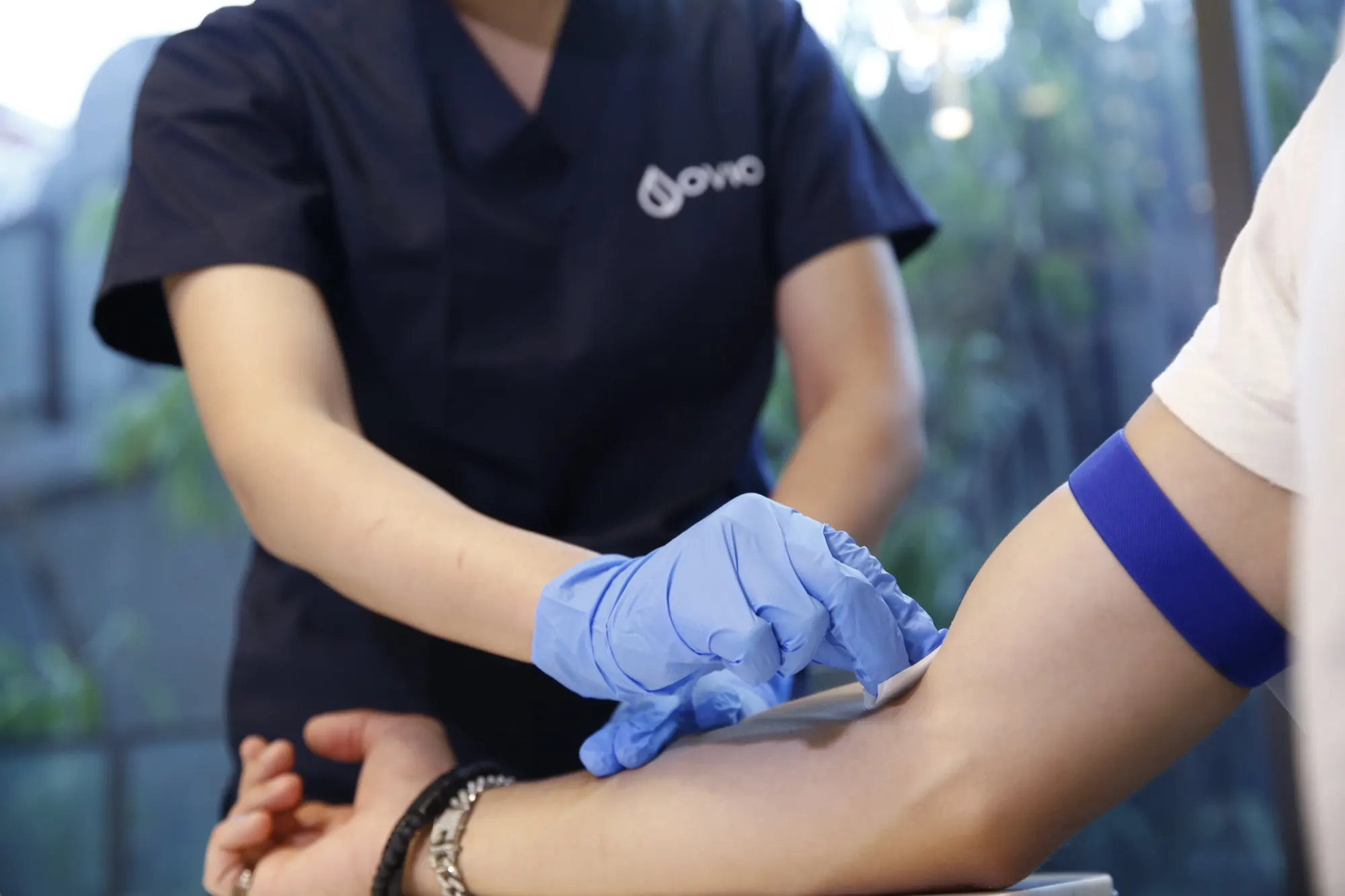
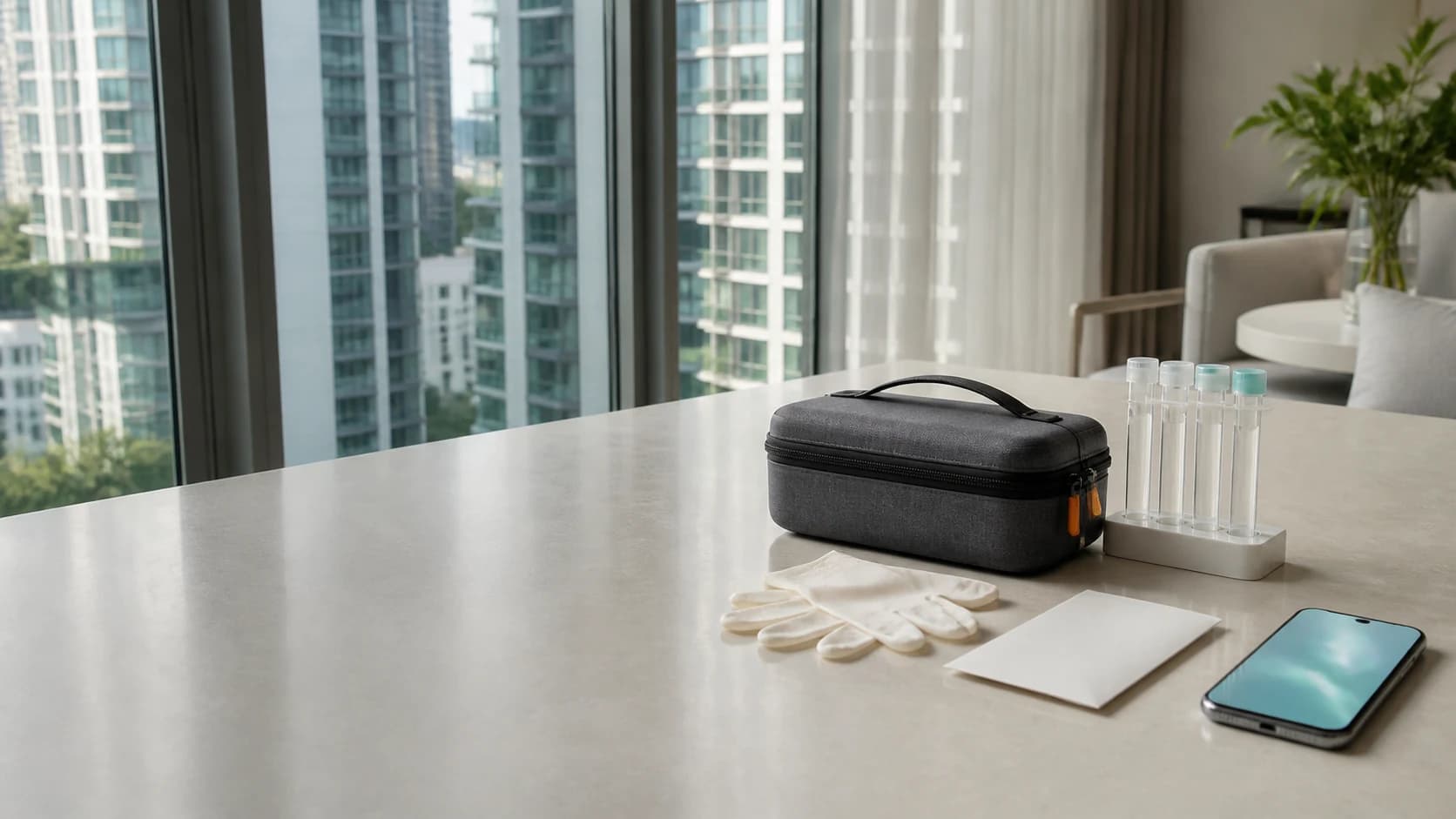
If you'd prefer private testing, Ovio's at-home STI testing brings a doctor to your home, condo, hotel or office at a time you choose. The laboratory 4th generation HIV Ab/Ag test is ฿1,290, and it's included in the Ovio Essential package (฿5,990) with syphilis, hepatitis B and C and an 18-infection PCR panel. Where a doctor recommends earlier detection, an HIV PCR (RNA) test is ฿5,990, also included in Ovio Advanced (฿10,990). For people already living with HIV, viral load monitoring is ฿5,990.
Private STI testing in Bangkok
Ovio can arrange private STI testing at a location that works for you.
Frequently Asked Questions
Is HIV the same as AIDS?
No. HIV is the virus; AIDS is the most advanced stage of untreated HIV infection. With treatment, most people living with HIV never develop AIDS.
Can I tell if I have HIV from symptoms?
No. Some people get a flu-like illness 2 to 4 weeks after infection, but many have no symptoms for years. Only a test tells you your HIV status.
How soon after sex can I test for HIV?
A laboratory 4th generation test can usually detect HIV 18 to 45 days after exposure, and an RNA test from 10 to 33 days. A test inside those windows may need repeating. If the exposure was in the last 72 hours, ask about PEP first.
Can you get HIV from kissing?
No. Saliva doesn't transmit HIV, and neither do hugging, sharing cups or cutlery, toilet seats or mosquito bites.
Is HIV curable?
Not yet, but it's very treatable. Daily antiretroviral therapy keeps the virus under control, protects your immune system and, once your viral load is undetectable, stops HIV passing to sexual partners.
Sources
ABOUT THIS GUIDE
This guide gives general information and is not personal medical advice.
- Written by
- Kewalee Rujikajorn
- Published