ON THIS PAGE
Medicines that treat HIV can also prevent it. Pre-exposure prophylaxis (PrEP) is the most established way of using them for prevention: you take it while you're HIV-negative, so that if you're exposed, the virus can't take hold. This guide explains how PrEP works, the options, who it's for, and how it differs from post-exposure prophylaxis (PEP), the emergency treatment used after an exposure.
PrEP Explained: What You Need to Know
PrEP is a prescription medicine taken by people who don't have HIV but could be exposed to it through sex or shared injecting equipment. The drugs build up in the body and stop HIV from copying itself, so an infection can't establish.
It's for anyone without HIV who could be exposed, whatever their gender or sexuality. PrEP is one part of combination prevention, alongside condoms, regular testing and treatment for partners living with HIV. It protects against HIV only. For the basics of the virus itself, see what is HIV?
How Effective Is PrEP in Preventing HIV?
Very effective, if you take it as prescribed. According to the US Centers for Disease Control and Prevention (CDC), PrEP lowers the risk of getting HIV from sex by about 99% and from injecting drugs by at least 74%. Most infections in people prescribed PrEP happen when doses are missed or injections are late, because drug levels then drop too low to protect.
Protection also isn't instant. CDC says daily oral PrEP reaches its highest protection after about 7 days for receptive anal sex, and about 21 days for receptive vaginal sex and for injecting. Your prescriber will tell you when you're covered for the kind of sex you have, and whether a starting double dose applies.
Types of PrEP: Daily Pills, 2-1-1 and Injections
Daily oral PrEP
The most widely used form is one tablet a day. The standard tablet combines tenofovir disoproxil and emtricitabine (TDF/FTC), which is available as low-cost generics. A newer combination, tenofovir alafenamide and emtricitabine (TAF/FTC), is approved in some countries, but not for people exposed through receptive vaginal sex, because it hasn't been shown to work for them. Taking the tablet at the same time each day helps make it a habit.
2-1-1 (event-driven) PrEP
Some people take TDF/FTC only around the times they have sex. This 2-1-1 schedule was shown to work in trials including IPERGAY, in France and Canada:
2 pills taken together, 2 to 24 hours before sex.
1 pill 24 hours after the double dose.
1 pill 48 hours after the double dose. If sex continues, keep taking one pill a day until two days after the last sex.
2-1-1 has been studied in and is recommended for cisgender men who have sex with men. It isn't recommended for vaginal or front-hole sex, because the drug takes longer to reach protective levels in vaginal tissue, or for people who inject drugs. It's also unsuitable for anyone with chronic hepatitis B, because stopping and starting these drugs can cause a hepatitis flare.
Injectable PrEP
- Cabotegravir (CAB-LA): an injection into the buttock muscle given by a health worker. The first two injections are a month apart, then one every two months. A short course of tablets beforehand is optional.
- Lenacapavir: a newer injection under the skin, given once every six months.
Injections suit people who find a daily pill hard to remember, but they mean keeping every appointment: a late injection leaves you less protected. Availability and price vary by country, so ask a PrEP provider in Thailand which options they offer.
| Daily oral PrEP | Injectable PrEP | |
|---|---|---|
| How it's taken | One tablet by mouth | An injection by a health worker |
| How often | Every day (or 2-1-1 for some men) | Every 2 months (cabotegravir) or every 6 months (lenacapavir) |
| Main challenge | Remembering a daily pill | Keeping every appointment on time |
| Check-ups | HIV and other tests every 3 months | An HIV test before each injection |
Who Should Consider Taking PrEP?
Guidelines base this on what you do, not who you are. PrEP is worth discussing if you:
- Have a partner living with HIV who isn't on treatment, or whose viral load isn't yet undetectable or isn't known.
- Have more than one sexual partner, or partners whose HIV status you don't know.
- Don't always use condoms, or have had a condom break or slip.
- Have had an STI recently, which shows a route HIV could also take.
- Share needles, syringes or other injecting equipment.
- Have needed PEP, especially more than once.
- Simply want extra protection: WHO and CDC say PrEP should be offered to people who ask for it.
PrEP vs PEP: What Is the Difference?
| PrEP | PEP | |
|---|---|---|
| When | Before any exposure, on a regular schedule | After a possible exposure, as soon as possible and within 72 hours |
| What it's for | Ongoing prevention | Emergencies, such as a condom breaking with a partner of unknown status, a needle injury or sexual assault |
| How long | For as long as you could be exposed | A 28-day course |
| Form | Tablets or long-acting injections | Tablets |
If you finish a course of PEP and expect to keep being exposed, your doctor can move you straight on to PrEP once an HIV test confirms you're negative. Our guide to PEP explains it in more detail.
What Tests Are Needed Before Starting PrEP?
Before prescribing PrEP, a provider checks that it's safe for you to start:
- HIV test: you must be HIV-negative. Taking PrEP with an undiagnosed HIV infection can let the virus become resistant to the drugs. A laboratory 4th generation HIV test is standard; if you've had a recent exposure or symptoms, an HIV RNA test may be added.
- Kidney function: a creatinine blood test, because tenofovir is cleared by the kidneys.
- Hepatitis B: tenofovir and emtricitabine also act on hepatitis B, so people with it need a different plan for starting and stopping. People who aren't immune are offered the vaccine.
- Other STIs: syphilis by blood test, and chlamydia and gonorrhoea by urine or swabs from the sites you have sex with.
- Pregnancy test and medication review, where relevant. PrEP can be used in pregnancy and while breastfeeding.
PrEP Side Effects: What Should You Expect?
Most people have no side effects, or only mild ones in the first few weeks of oral PrEP: nausea, headache, loose stools or tiredness. These usually settle by themselves, and taking the tablet with food can help.
- Kidneys: small changes in kidney function can happen, which is why it's checked. They usually reverse if PrEP is stopped or changed.
- Bones: TDF can cause a small drop in bone density, which recovers after stopping.
- Weight and cholesterol: TAF has been linked to small rises in weight and cholesterol.
- Injections: pain, swelling or a lump where the injection went in is common, and usually eases within days.
What PrEP Can and Can't Do
- It doesn't prevent other STIs, such as syphilis, gonorrhoea, chlamydia, herpes or HPV.
- It isn't contraception.
- It doesn't treat HIV. People living with HIV need full antiretroviral treatment.
- It needs to be taken as prescribed, and doesn't protect from the first dose.
- It works best with other prevention, such as condoms and regular testing.
How Often Should You Get Tested While Taking PrEP?
- HIV: every 3 months on oral PrEP, and before every injection on cabotegravir. An HIV RNA test may be added if you have symptoms or missed doses.
- STIs: syphilis, chlamydia and gonorrhoea every 3 to 6 months, from all the sites you have sex with, even without symptoms. Many STIs cause none: see STIs without symptoms.
- Kidney function: every 6 to 12 months, more often if you're older or have other risks.
When and How to Stop Taking PrEP
People stop PrEP when they're no longer at risk, for example in a relationship with one partner who's HIV-negative. Agree a plan with your prescriber:
- Oral PrEP: keep taking it for a while after your last possible exposure, usually 2 to 7 days depending on the kind of sex. Your prescriber will tell you which applies.
- Hepatitis B: if you have it, don't stop without your doctor, because stopping can cause a flare.
- Cabotegravir: the drug stays in the body at falling levels for a year or more after the last injection. During that tail you need another form of prevention, often oral PrEP, if you could be exposed.
- Restarting: you'll need a new HIV test first.
How Much Does PrEP Cost?
The cost of PrEP depends on:
- The medicine: generic daily TDF/FTC is far cheaper than brand-name tablets, and injections cost the most.
- Where you get it: government hospitals, community sexual health clinics and private hospitals price it very differently. Thai nationals may be able to get PrEP free or at low cost through the national health scheme, so ask at a government hospital.
- The tests: the HIV, kidney, hepatitis B and STI tests at the start and every few months are part of the cost.
PrEP and Combination HIV Prevention
- Condoms, which also protect against other STIs.
- Regular testing for HIV and other STIs.
- Knowing where to get PEP if something goes wrong.
- Sterile injecting equipment for anyone who injects.
- U=U (undetectable = untransmittable): people living with HIV who are on treatment and keep an undetectable viral load don't pass HIV on through sex.
HIV and STI Testing for PrEP in Bangkok
In Bangkok, PrEP is prescribed by sexual health clinics, community health centres and hospitals, which also do the start-up and follow-up checks. Ovio doesn't prescribe PrEP.
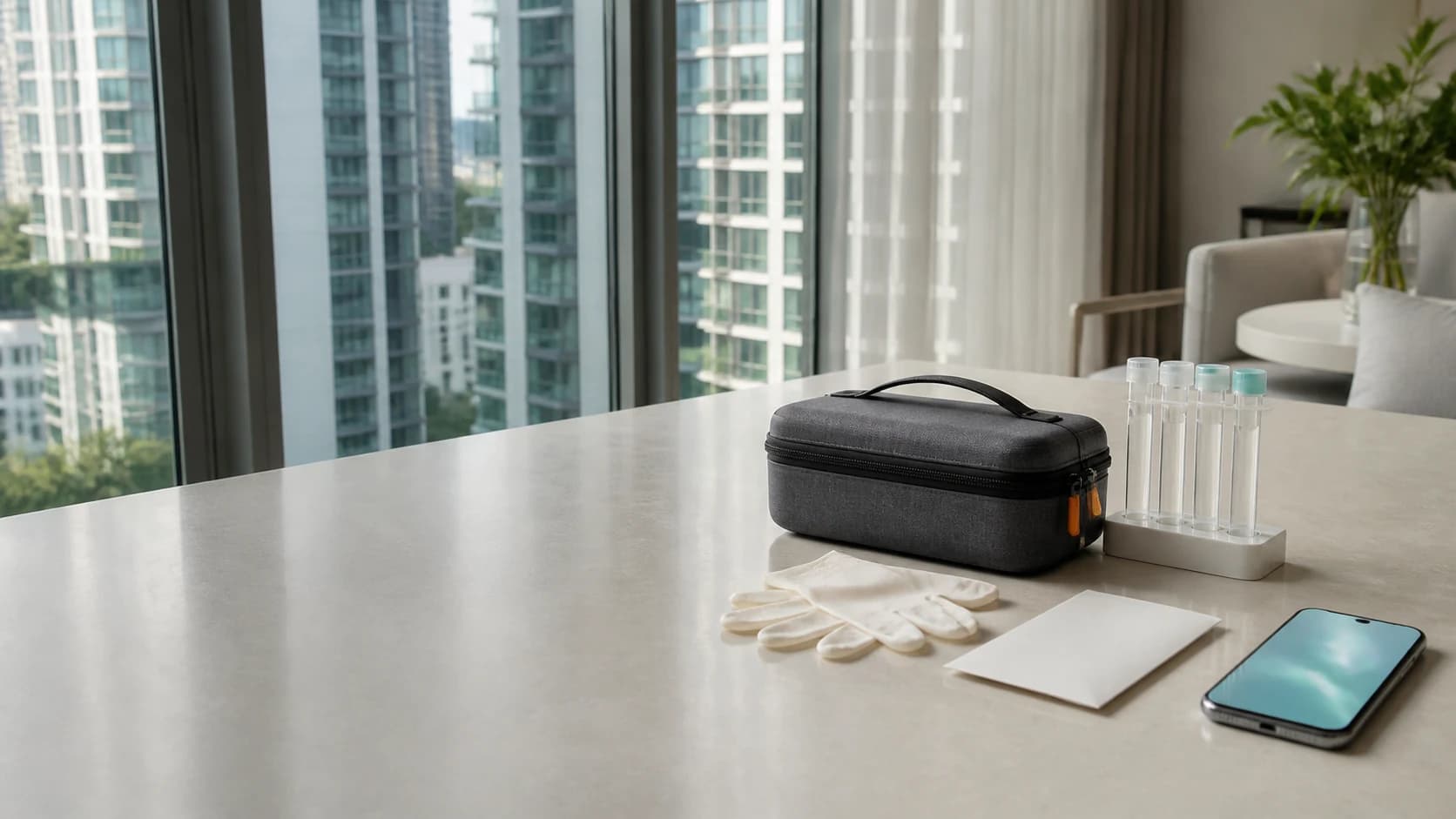
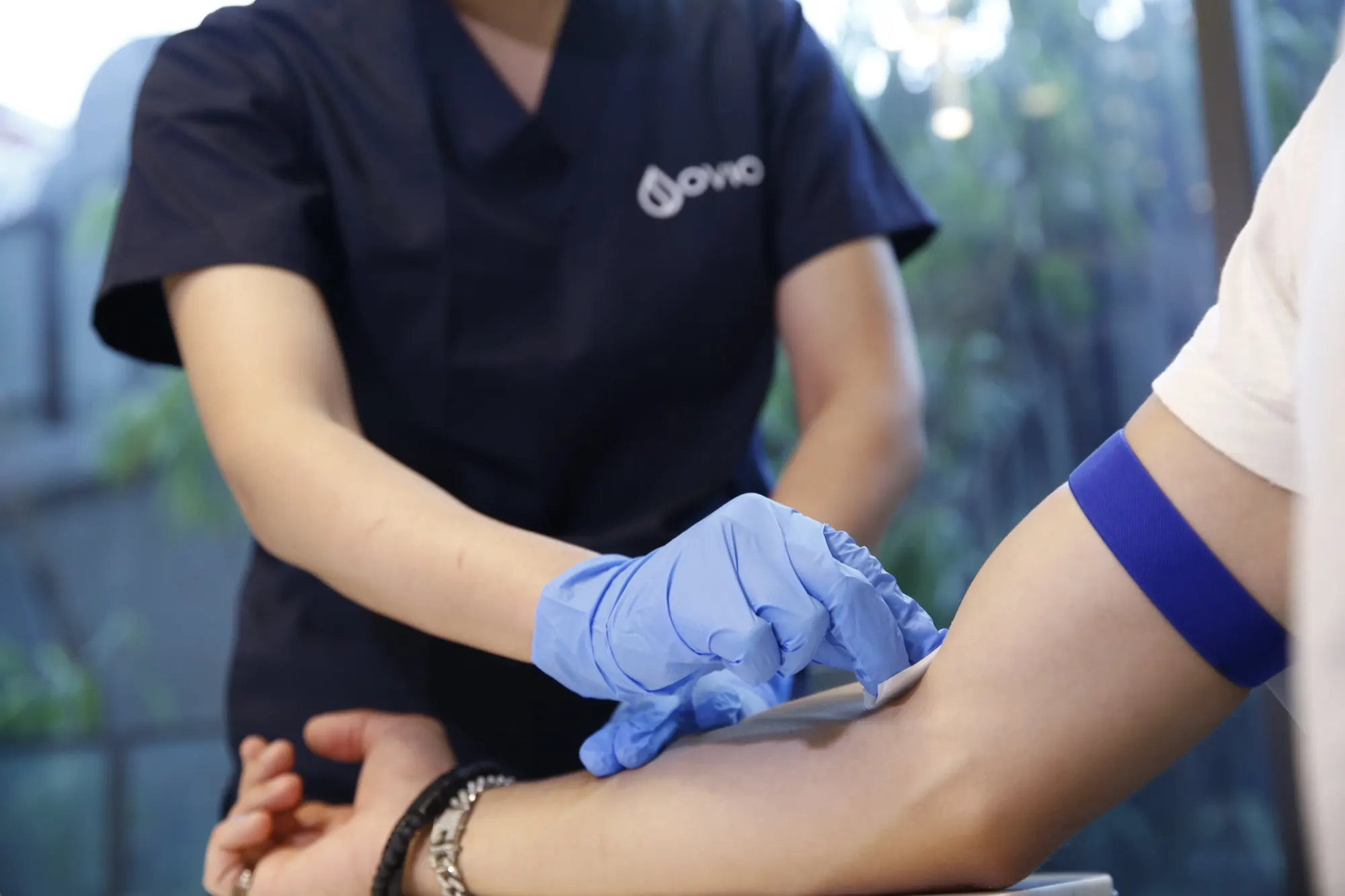
What Ovio does offer is private at-home STI testing: a doctor comes to your home, condo, hotel or office in Bangkok to take the samples. That covers the HIV and STI tests you need before starting PrEP and every few months on it. The HIV test (4th generation Ag/Ab) is ฿1,290, syphilis screening is ฿890, hepatitis B (HBsAg) is ฿990, and chlamydia and gonorrhoea together are ฿3,990. The Ovio Essential package (฿5,990) covers HIV, syphilis, hepatitis B and C and an 18-infection PCR panel in one visit. Check your timing after a recent exposure with the STI test window calculator.
Private STI testing in Bangkok
Ovio can arrange private STI testing at a location that works for you.
Frequently Asked Questions
Is PrEP 100% effective?
No medicine is, but PrEP comes close. CDC puts the risk reduction from sex at about 99% when it's taken as prescribed. Most failures come from missed doses or late injections.
How long does PrEP take to work?
For daily oral PrEP, CDC says about 7 days for receptive anal sex and about 21 days for receptive vaginal sex and injecting. With 2-1-1, the double dose 2 to 24 hours before sex starts protection for anal sex.
Does PrEP protect against other STIs?
No. It only prevents HIV. That's why STI testing every 3 to 6 months is part of being on PrEP, and why condoms are still worth using.
Can I take PrEP after unprotected sex?
Not as a substitute for PEP. If the exposure was in the last 72 hours, you need PEP, which is a different, full course of treatment. Go to a hospital emergency department or a clinic that provides PEP today.
Do I need an HIV test before starting PrEP?
Yes, always. PrEP isn't enough to treat HIV, and taking it with an undiagnosed infection can make the virus resistant to the drugs. You'll also be tested every few months while you're on it.
Sources
ABOUT THIS GUIDE
This guide gives general information and is not personal medical advice.
- Written by
- Kewalee Rujikajorn
- Published