ON THIS PAGE
Hepatitis B is one of the most common serious infections in the world, and many people who have it don't know. This guide explains how the virus spreads, the symptoms to look out for, who should be screened, and which blood tests show whether you have an active infection, had one in the past, or are protected by vaccination. Ovio's hepatitis B test is done at home in Bangkok.
What Is Hepatitis B?
Hepatitis B is an infection of the liver caused by the hepatitis B virus (HBV). Once the virus enters the blood it travels to the liver and multiplies inside liver cells. Most of the damage comes from the body's own immune response attacking those infected cells, which causes inflammation.
An infection can be acute (the first six months) or chronic (lasting longer than six months, often for life). About 95% of adults clear a new infection by themselves. Babies and young children are different: about nine in ten babies infected at birth develop chronic hepatitis B.
How common is hepatitis B?
The World Health Organization estimates that about 240 million people were living with chronic hepatitis B in 2024, and only around a quarter of them knew it. Thailand has given hepatitis B vaccine to all newborns since 1992, so infection is much less common in younger Thai adults than in people born before then. That's one reason adult screening still matters.
How Is Hepatitis B Transmitted?
HBV passes through contact with infected blood, semen and vaginal fluid. The main routes are:
- From mother to baby, mostly during birth. Pregnant women are screened for HBsAg, and babies of mothers with hepatitis B get the vaccine and hepatitis B immune globulin (HBIG) within 12 hours of birth, which prevents most infections.
- Sex without a condom with someone who has hepatitis B. The risk is higher with more partners and in people who aren't vaccinated.
- Shared needles, syringes, razors, nail clippers or toothbrushes that may carry traces of blood.
- Unsterile equipment for tattoos, piercings, and medical, dental or beauty procedures.
- Blood getting into a cut or the eyes or mouth, for example in healthcare work or first aid.
How hepatitis B isn't spread
You can't catch hepatitis B from sharing meals, cutlery or glasses, from hugging, holding hands or kissing, from coughing or sneezing, or from toilets and swimming pools.
What Are the Symptoms of Hepatitis B?
Acute hepatitis B
Many adults have no symptoms at all. When symptoms do appear, usually one to four months after exposure, they can include:
- Tiredness and weakness
- Loss of appetite, nausea and vomiting
- A mild fever
- Pain or discomfort under the right ribs, where the liver is
- Dark, tea-coloured urine and pale stools
- Yellowing of the skin and the whites of the eyes (jaundice)
Chronic hepatitis B
Most people with chronic hepatitis B feel completely healthy for decades. Some notice mild tiredness or vague discomfort in the upper abdomen. Symptoms of liver damage usually appear only once the liver is badly scarred. Feeling well doesn't mean you don't have the virus: a blood test is the only way to know.
Complications of Hepatitis B
When chronic hepatitis B goes undetected for years, the ongoing inflammation can gradually change the liver:
- Fibrosis: scar tissue builds up as the liver repeatedly repairs itself.
- Cirrhosis: widespread scarring replaces healthy liver tissue and the liver works less well.
- Liver cancer (hepatocellular carcinoma): more likely in people with chronic hepatitis B, and it can develop even before cirrhosis.
- Liver failure: the most advanced stage, which may need a liver transplant.
None of this is inevitable. Regular check-ups and, when needed, antiviral treatment greatly lower these risks.
How Is Hepatitis B Tested and Diagnosed?
Hepatitis B is found with blood tests. A standard screen looks at up to three markers:
- HBsAg (surface antigen): the virus is in your blood now. Still positive after six months means chronic infection.
- Anti-HBs (surface antibody): you're protected, from vaccination or a past infection that cleared. A level of 10 mIU/mL or more is considered protective.
- Anti-HBc (core antibody): you've been infected at some time, past or present. Vaccination doesn't make it. An IgM anti-HBc result points to a recent infection.
Doctors read the markers together. For a table of the common result patterns and what each means, see hepatitis B blood test results explained.
Rapid fingerprick tests for HBsAg give a quick answer and are useful for screening, but a reactive rapid test must always be confirmed with a laboratory blood test.
If HBsAg is positive
A doctor will arrange further tests to see how active the virus is and how healthy the liver is: an HBV DNA test (viral load), and liver function tests, where raised ALT and AST show liver inflammation and raised bilirubin explains jaundice. A liver scan may follow.
When to test after an exposure
HBsAg usually becomes detectable 1 to 12 weeks after infection, so a test soon after an exposure may need repeating. Check your own dates with the STI test window calculator.
Who Should Be Screened for Hepatitis B?
- Every adult at least once, especially if you were born before routine infant vaccination or where hepatitis B is common
- Anyone who isn't sure they completed the vaccine course
- Anyone with a partner or household member who has hepatitis B
- Anyone with a new partner or more than one partner
- Anyone living with HIV or starting PrEP
- Everyone who is pregnant
How Is Hepatitis B Treated?
Acute infection
Most adults recover without specific treatment. Care means rest, fluids and good nutrition, blood tests to check the liver is recovering, and avoiding alcohol and any medicines or supplements a doctor hasn't approved. Severe cases are treated in hospital.
Chronic infection
Not everyone with chronic hepatitis B needs medicine straight away. Many people need regular check-ups, with how often depending on the stage of infection. When treatment is needed, daily antiviral tablets such as tenofovir or entecavir suppress the virus, calm liver inflammation and lower the risk of cirrhosis and liver cancer. Chronic hepatitis B isn't usually cured, but it can be controlled very well.
How to Prevent Hepatitis B
- Get vaccinated. The vaccine is safe and produces protective antibodies in more than 95% of infants, children and young adults. It's usually given as three doses, at 0, 1 and 6 months, and protection lasts at least 20 years, probably for life.
- Check you're protected if you're unsure. If you don't know whether you finished the course, or you're at ongoing risk, an anti-HBs test shows whether you're immune. Antibody levels fall over the years, but most people who responded to the vaccine stay protected.
- Use condoms, especially with new partners.
- Don't share needles, razors, toothbrushes or nail clippers, and choose licensed tattoo and piercing studios that use sterile, single-use equipment.
- Test in pregnancy so a baby can be protected at birth.
Hepatitis B Testing in Bangkok
Hepatitis B testing is available at hospitals and clinics across Bangkok, and it's one of the most useful blood tests to have at least once as an adult.
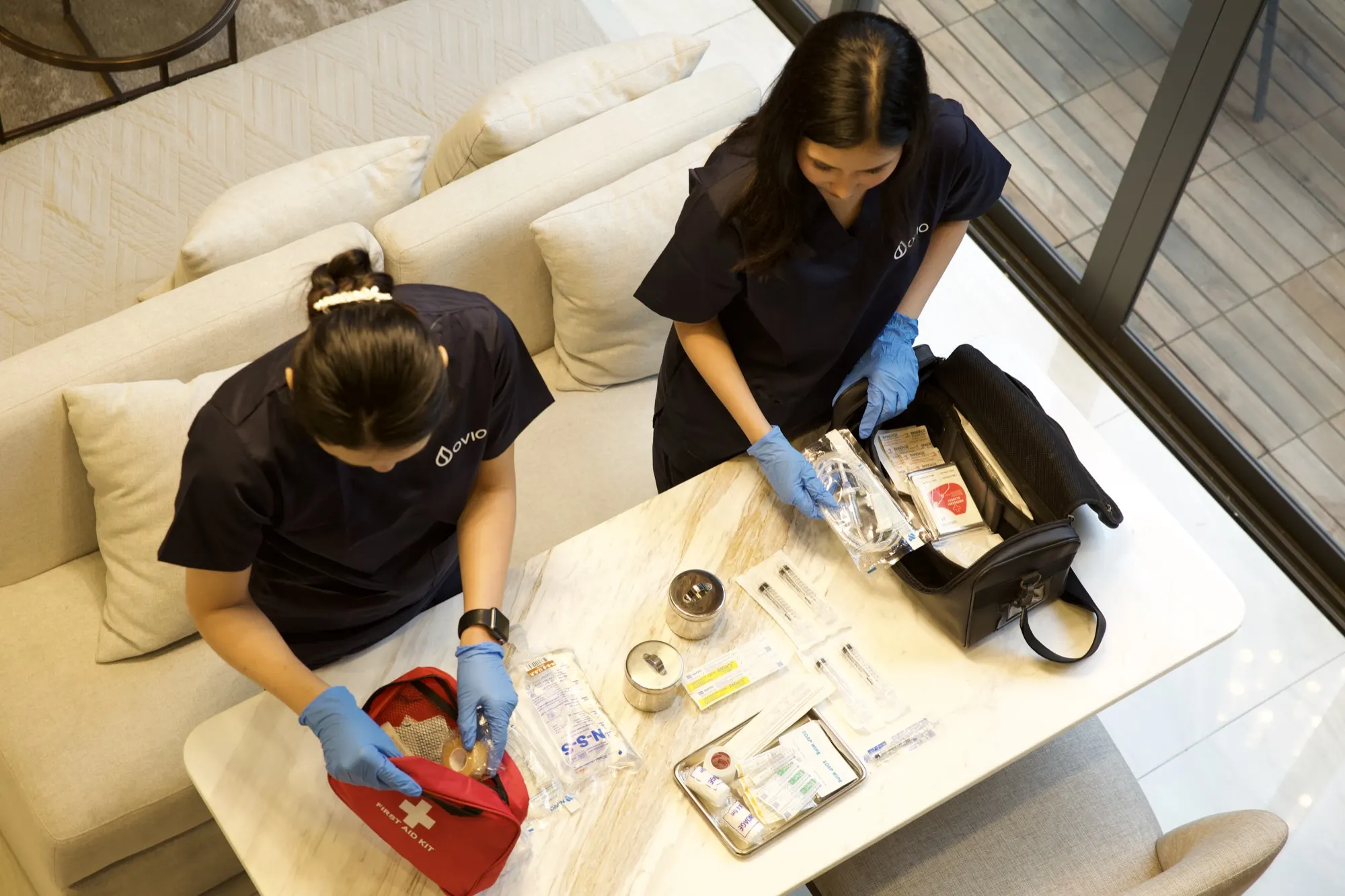
If you'd rather not go to a clinic, Ovio's at-home STI testing brings a doctor to your home, condo, hotel or office at a date and time you choose, for Thai and international clients. The HBsAg test for current infection is ฿990, and it's included in the Ovio Essential package (฿5,990) with HIV, syphilis, hepatitis C and an 18-infection PCR panel. If your result is positive, the doctor will explain it and arrange the follow-up tests you need. Not sure which tests you need? See which STI tests should I get?
Private STI testing in Bangkok
Ovio can arrange private STI testing at a location that works for you.
Frequently Asked Questions
Is hepatitis B a sexually transmitted infection?
It can be. Hepatitis B passes easily through sex without a condom, but it also spreads at birth and through shared needles and other blood contact. The vaccine makes it one of the few STIs you can prevent completely.
Can hepatitis B be cured?
Most adults clear a new infection by themselves. Chronic hepatitis B isn't usually cured, but antiviral tablets control the virus very well and greatly lower the risk of liver damage.
Can I have hepatitis B without symptoms?
Yes. Many adults have no symptoms when first infected, and most people with chronic hepatitis B feel well for years. That's why testing, not symptoms, is how it's found.
I was vaccinated as a child. Am I still protected?
Most likely. Protection after a full course lasts at least 20 years and probably for life, according to the World Health Organization, and most people don't need a booster. If you're not sure you completed the course, an anti-HBs test shows whether you're immune.
Can I live a normal life with chronic hepatitis B?
Yes. With regular check-ups, treatment when needed, and avoiding heavy drinking, most people with chronic hepatitis B live full, healthy lives. Partners and people you live with should be tested and vaccinated if they aren't already protected.
Sources
ABOUT THIS GUIDE
This guide gives general information and is not personal medical advice.
- Written by
- Kewalee Rujikajorn
- Published