ON THIS PAGE
Hepatitis A is one of the most common causes of viral hepatitis worldwide, and the one most closely linked to food and water. This guide explains what it is, how it spreads, the symptoms, how long you're infectious, the blood tests that diagnose it or show you're immune, and how to prevent it while you live in or travel around Thailand.
What Is Hepatitis A?
Hepatitis A is an infection of the liver caused by the hepatitis A virus (HAV). It inflames the liver and, for a while, stops it working as well as usual. The virus is hardy: it can survive outside the body for months and isn't destroyed by mild heat or stomach acid.
Is hepatitis A acute or chronic?
Unlike hepatitis B and C, hepatitis A is always acute. It never becomes a long-term infection or causes chronic liver disease. Recovery can still take from a few weeks to several months, and once you've had it you're immune for life.
How common is hepatitis A?
Where sanitation and clean water are limited, most people catch hepatitis A as young children, usually without symptoms, and are immune as adults. In high-income countries it's uncommon, and cases are linked to travel and outbreaks. As countries improve sanitation, as Thailand has over recent decades, fewer people are infected in childhood, so more adults have no immunity and can catch it in a food- or water-borne outbreak, when illness is more severe.
How Is Hepatitis A Transmitted?
Hepatitis A spreads by the faecal-oral route: the virus is passed in an infected person's stool, and tiny, invisible amounts get into someone else's mouth. The main ways this happens are:
- Contaminated food, water or ice: drinking untreated water or ice made from it, eating raw or undercooked shellfish from sewage-polluted water, or food prepared by someone with hepatitis A who didn't wash their hands after using the toilet.
- Close contact: living with or caring for someone who has hepatitis A, and poor hand-washing after using the toilet or changing nappies, which spreads the virus to shared surfaces.
- Sex: especially oral-anal contact (rimming), and any sex that involves contact with stool. Outbreaks among men who have sex with men are well recognised.
Hepatitis A isn't spread by sitting next to someone, coughing, sneezing or hugging.
Who is at higher risk?
- Anyone who isn't vaccinated and hasn't had hepatitis A before
- People travelling to or living in areas with variable sanitation
- People living with or caring for someone with hepatitis A
- Men who have sex with men, and anyone who has oral-anal sex
What Are the Symptoms of Hepatitis A?
Age makes a big difference. More than seven in ten children under six have no symptoms or only a mild illness without jaundice. More than seven in ten older children and adults do get ill, usually with jaundice.
Early symptoms
- Marked tiredness and feeling generally unwell
- Loss of appetite, nausea, vomiting and stomach discomfort
- Fever
- Muscle and joint aches
- Sometimes diarrhoea
Liver symptoms a few days later
- Jaundice: yellowing of the skin and the whites of the eyes
- Dark urine, like tea or cola
- Pale or clay-coloured stools
- Itchy skin
- Pain under the right ribs, over the liver
Incubation and Infectious Period
Symptoms start 15 to 50 days after infection, usually about four weeks. You're most infectious in the one to two weeks before symptoms begin, and infectiousness falls quickly within about a week after jaundice appears. Children and people with weakened immune systems can shed the virus for longer.
Because people pass it on before they know they're ill, watching for symptoms isn't enough to stop it spreading. Hand-washing and vaccination are what work.
How Is Hepatitis A Diagnosed?
Symptoms of hepatitis A look like other types of hepatitis, so a blood test is needed to confirm it. A doctor will also ask about travel, food, contacts and sex, and check for jaundice and a tender liver.
- HAV IgM (anti-HAV IgM): the test for a recent infection. It's usually positive by the time symptoms start and stays positive for about three to six months.
- HAV IgG (anti-HAV IgG): shows immunity, from a past infection or from vaccination. It stays positive for life. A positive IgG with a negative IgM means you're protected, not currently ill.
- Liver function tests: ALT and AST are often very high in acute hepatitis A, and bilirubin rises with jaundice. Repeat tests show the liver recovering.
| HAV IgM | HAV IgG | What it usually means |
|---|---|---|
| Positive | Positive or negative | Recent or current hepatitis A infection |
| Negative | Positive | Immune, from a past infection or the vaccine |
| Negative | Negative | Not immune: the vaccine is worth considering |
An IgG test is also a useful way to find out whether you need the vaccine at all. Many adults who grew up where hepatitis A was common are already immune.
How Is Hepatitis A Treated?
There's no specific antiviral medicine for hepatitis A. The immune system clears the virus, and care is about comfort and protecting the liver while it does:
- Rest, as much as you need while you're tired.
- Fluids and small, easy meals, especially if you're nauseous or have diarrhoea.
- No alcohol, and no medicines or herbal supplements a doctor hasn't approved. Take paracetamol only as a doctor advises.
- Follow-up blood tests to check the liver is recovering.
Is Hepatitis A Dangerous?
For most people, no. Most recover within two months and have no lasting liver damage. Some have a longer illness:
- Relapsing hepatitis A: about one in ten people have symptoms that come back, over up to six months, before they fully recover.
- Acute liver failure: rare, but serious. It's more likely in people over 50 and those with existing liver disease, such as chronic hepatitis B or C, cirrhosis or fatty liver disease.
How to Prevent Hepatitis A
Everyday precautions
- Wash your hands with soap and water for at least 20 seconds after using the toilet or changing nappies, and before preparing or eating food. Alcohol gel is less reliable against hepatitis A.
- Eat food that's thoroughly cooked and served hot, and be wary of raw shellfish and unpeeled fruit or salad from places you're unsure of.
- Drink bottled or boiled water, and avoid ice made from untreated water.
Vaccination
The hepatitis A vaccine is safe and highly effective. A full course is two doses, with the second given at least six months after the first, and it gives long-lasting, probably lifelong, protection. It's recommended for travellers to areas where hepatitis A is common, men who have sex with men, people with chronic liver disease including hepatitis B or C, and anyone who wants to be protected. If you're not sure whether you're already immune, an HAV IgG test answers that first.
Hepatitis A Testing in Bangkok
Hospitals and clinics across Bangkok test for hepatitis A, and if you're ill with jaundice or vomiting, that's the place to start.
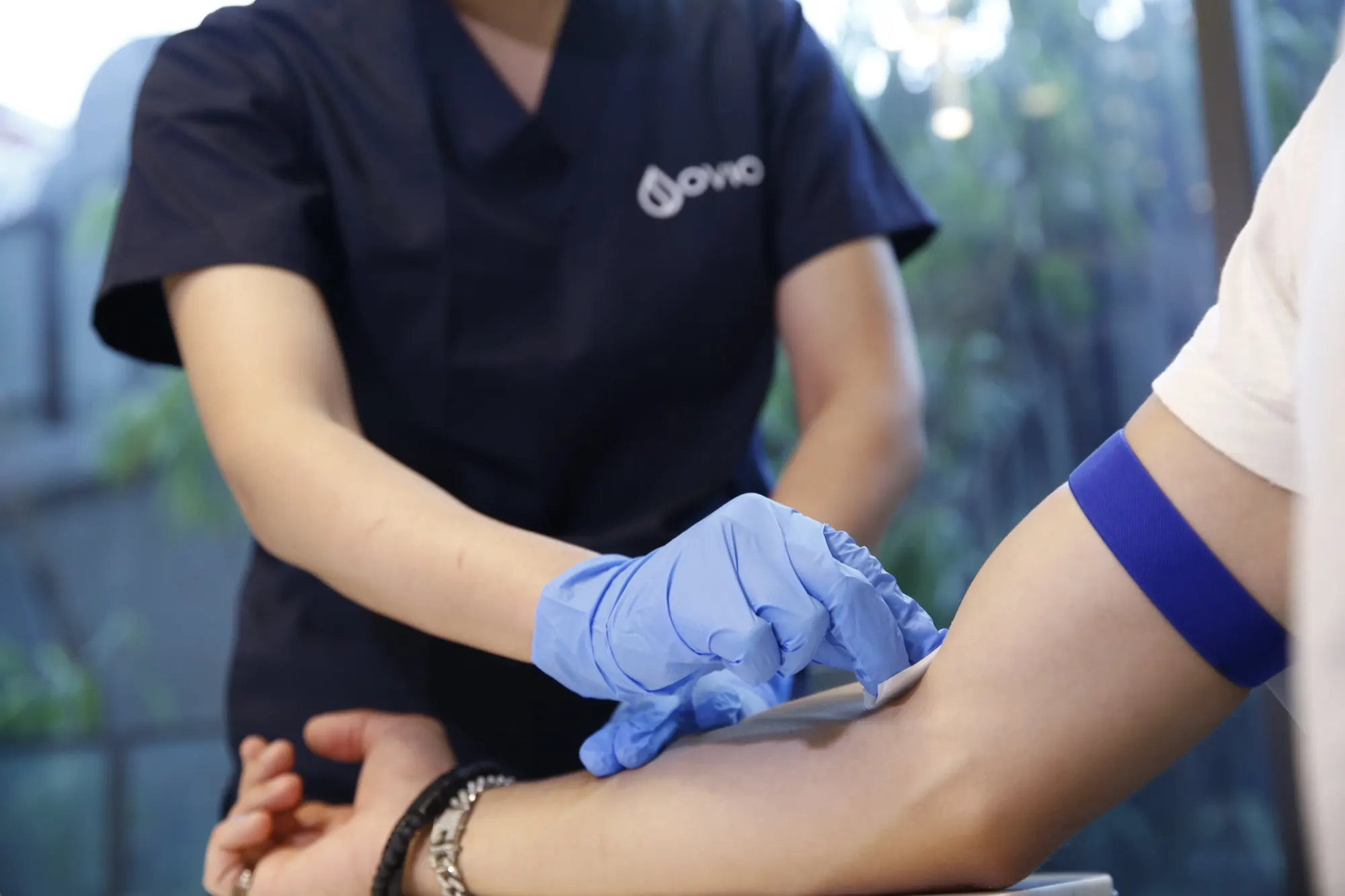
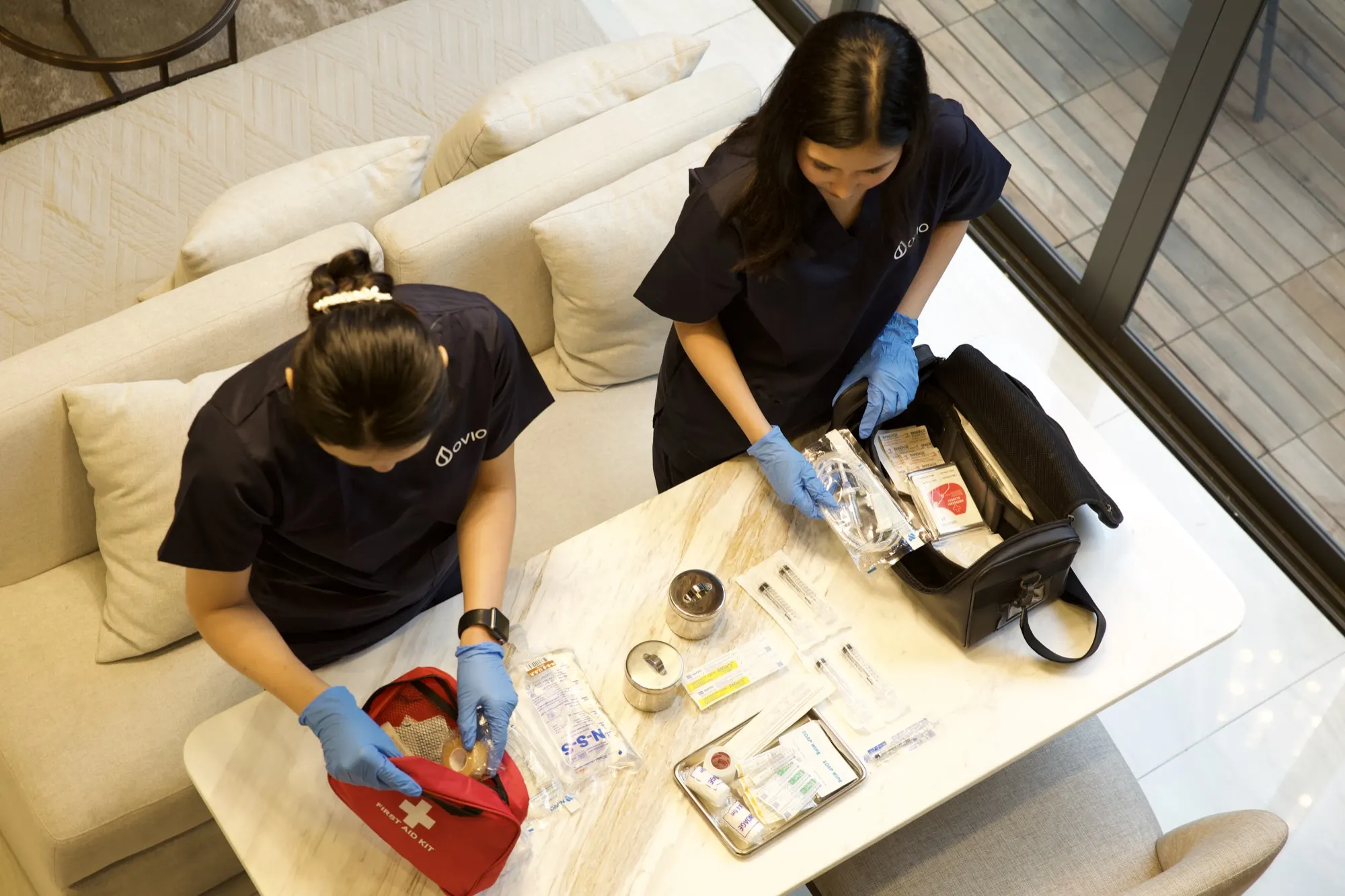
If you're well and want to check your immunity, or a doctor has suggested testing, Ovio's at-home testing brings a doctor to your home, condo, hotel or office at a date and time you choose, for Thai and international clients. The HAV IgG immunity test is ฿1,490 and the HAV IgM test for recent infection is ฿1,490. If you're also checking other blood-borne infections, see what is hepatitis B? and which STI tests should I get?
Private STI testing in Bangkok
Ovio can arrange private STI testing at a location that works for you.
Frequently Asked Questions
Can you get hepatitis A twice?
No. Once you've had hepatitis A you're immune for life, and a positive HAV IgG test shows that. Relapsing hepatitis A, where symptoms come back during recovery, is part of the same infection, not a new one.
Is hepatitis A a sexually transmitted infection?
It can be passed on during sex, especially oral-anal contact, though most infections come from food, water or close contact. Condoms and dental dams don't fully protect against it, so vaccination is the best protection for people at risk.
How long does hepatitis A last?
Most people feel better within a few weeks and recover fully within two months. Tiredness can linger, and about one in ten have a relapsing illness that lasts up to six months.
Should I have the hepatitis A vaccine if I live in Bangkok?
It's worth considering if you aren't already immune, especially if you travel around the region, eat a lot of street food, are a man who has sex with men, or have hepatitis B, hepatitis C or other liver disease. An HAV IgG test tells you whether you need it.
Can I go to work with hepatitis A?
Stay off work, school or nursery until your doctor says you're no longer infectious, usually about a week after jaundice starts. Food handlers and people who care for others need to be especially careful, and household and sexual contacts should speak to a doctor about vaccination.
Sources
ABOUT THIS GUIDE
This guide gives general information and is not personal medical advice.
- Written by
- Kewalee Rujikajorn
- Published