ON THIS PAGE
However, getting accurate results comes down to timing. Understanding the 4th generation HIV test window period helps you test at the right moment, saving you from unnecessary anxiety or testing too early for a definitive result. Here is a straightforward breakdown of how the test works, when to take it, and what its accuracy rates mean for you.
What Is a 4th Generation HIV Test? Is It More Advanced?
Unlike older screening methods that only search for antibodies, a 4th generation HIV test (often called an HIV combo or combination test) detects two distinct markers in your blood simultaneously:
- p24 Antigens: Viral proteins produced in high quantities during the early weeks immediately following exposure.
- HIV-1 and HIV-2 Antibodies: The proteins your immune system naturally produces to fight off the virus.
How Antigen vs. Antibody Detection Works
- Rapid Early Detection: Antigen detection allows the test to identify the presence of the virus before your body has time to mount a full antibody response.
- Dual-Coverage Safety: By combining antigen and antibody screening, the test effectively bridges the gap between recent exposure and long-term immunity markers.
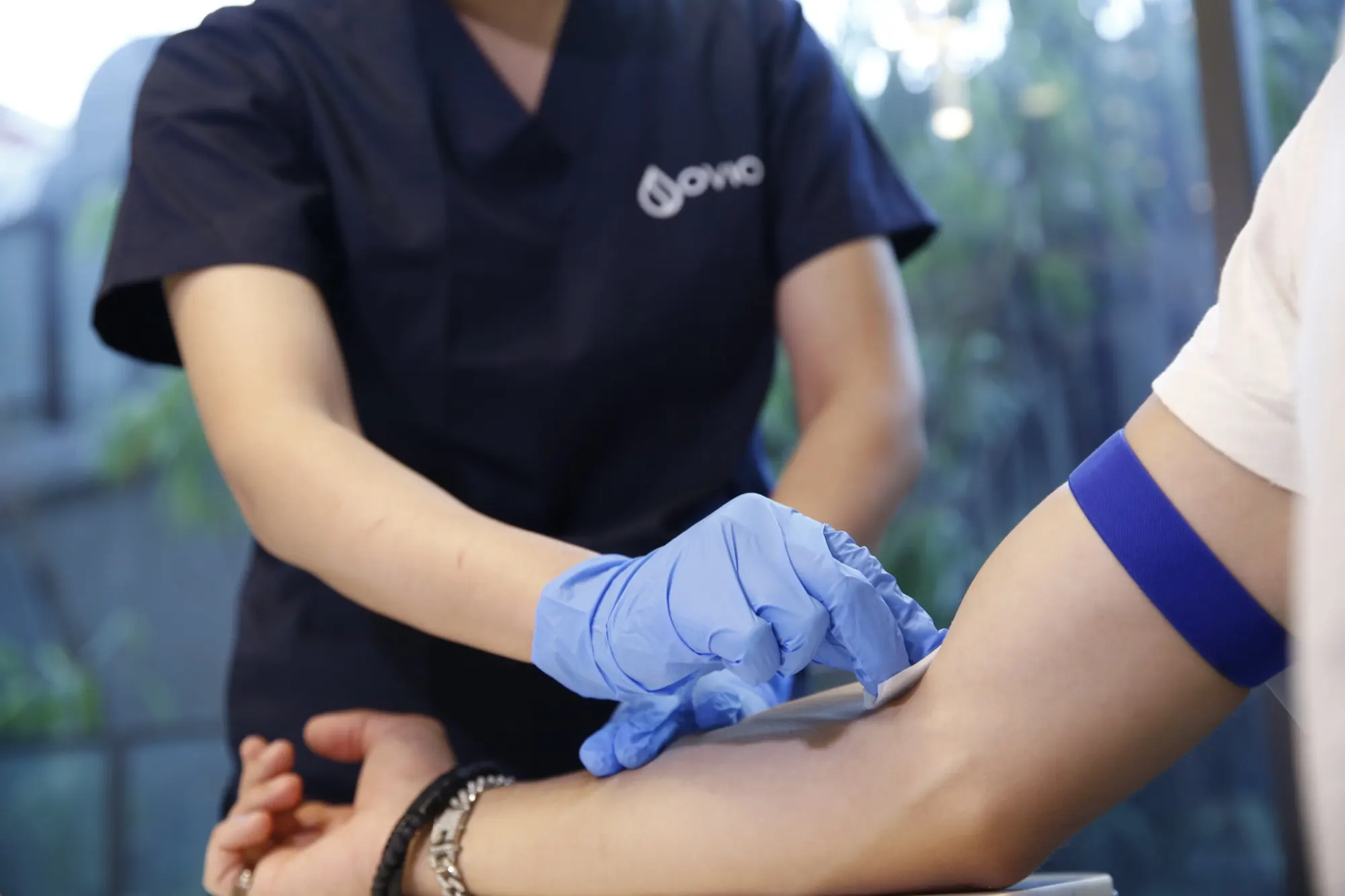
- Sample Efficiency: The test is performed via a simple blood draw or capillary finger-prick sample, processed efficiently in modern laboratory settings.
4th Generation HIV Test Window Period: How Long Should You Wait?
Understanding the 4th generation HIV test window period is essential for interpreting your results correctly. The window period refers to the time elapsed between potential exposure and when a test can reliably detect the virus.
- Earliest Detection (18–45 Days): The p24 antigen peaks during early acute infection, allowing a 4th generation test to detect most infections as early as 2 to 3 weeks post-exposure.
- High Reliability at Day 28: According to international healthcare guidelines, a 4th generation lab test performed 28 days (4 weeks) after exposure provides highly accurate preliminary reassurance.
- Conclusive Result (90 Days/12 Weeks): While detection happens early, global health protocols define a test result at 90 days as 100% conclusive to account for individual variations in immune response.
Not All HIV Tests Have the Same Detection Window
| HIV test | Typical detection window |
|---|---|
| Laboratory 4th generation antigen and antibody test | 18–45 days |
| Rapid antigen/antibody test using finger-stick blood | 18–90 days |
| Antibody-only test | 23–90 days |
| HIV NAT/RNA test | 10–33 days |
The important point is that 4th generation does not automatically mean every test has the same window period. The sample type and testing method matter. For example, a laboratory test performed using venous blood has a different window period from a rapid finger-stick test, even when both detect HIV antigen and antibodies.
How Accurate Is a 4th Generation HIV Test?
When performed within the appropriate window period, the 4th generation HIV test is exceptionally reliable.
- Sensitivity (>99%): The test correctly identifies individuals who have HIV, minimizing the chance of false negative results.
- Specificity (>99%): The test correctly identifies individuals who do not have HIV, keeping false positive rates extremely low.
- Laboratory vs. Rapid Formats: While rapid point-of-care finger-prick tests offer quick preliminary results within 15–20 minutes, laboratory-based blood draws using ECLIA or ELISA technology provide the highest analytical precision.
What Matters Beyond the Numbers: 4th Generation HIV Test Accuracy
A 4th generation HIV test is designed to detect infection earlier by combining antigen and antibody detection. Laboratory-based antigen and antibody tests are recommended by the CDC for HIV testing in laboratory settings.
However, “highly accurate” does not mean “accurate immediately.” The biggest issue with early testing is often timing, rather than the technology itself. A negative result taken during the window period may occur because there is not yet enough detectable antigen or antibody in the blood.
This is why two people can use the same type of test but need different follow-up plans depending on when they were tested.
WHO also emphasizes that no single HIV test should be interpreted as a complete HIV-positive diagnosis without the appropriate testing strategy and confirmation.
When Should You Take a 4th Generation HIV Test?
There is no single testing date that is perfect for every situation. The appropriate timing depends on when the possible exposure happened, what test is being used, and whether there have been additional exposures. Our STI test window calculator can help you work out the dates.
A practical way to think about it is:
If the exposure was very recent
Testing immediately may not tell you whether that specific exposure resulted in HIV infection because you may still be within the window period.
If the possible exposure occurred within the last 72 hours
If it has been around 18 days or more
A laboratory 4th generation HIV test may be able to detect an infection at this stage, but an early negative result does not necessarily exclude infection because the CDC's window period extends to 45 days for this type of test.
Around 45 days after exposure
For a laboratory 4th generation HIV test using venous blood, 45 days falls at the end of the CDC's stated detection window. If you have had no further potential exposure during this period, this timing provides a much more meaningful result than testing too early.
If you are still unsure
A doctor can help determine whether you need another test based on:
- The date of the possible exposure
- The type of HIV test performed
- Whether there were additional exposures
- Whether you have used PrEP or PEP
- Any symptoms or other clinical concerns
Recommended 4th Generation HIV Test Timeline
Immediate Window (0–7 Days): No HIV test can detect HIV immediately after infection. If you experienced a potential HIV exposure within the last 72 hours, seek medical care immediately to discuss Post-Exposure Prophylaxis (PEP).
Early Detection (18–45 Days): A laboratory-based 4th generation HIV test can usually detect HIV 18–45 days after exposure because it detects both HIV p24 antigen and antibodies.
45 Days: Fourth-generation laboratory HIV tests have a 45-day window period according to BHIVA/BASHH/BIA HIV testing guidelines.
After the Window Period: If you receive a negative result during the window period, follow-up testing after the applicable window period may be recommended.
For people who have taken PEP: Follow-up HIV testing follows a different schedule. CDC recommendations include interim testing at 4–6 weeks and final testing at 12 weeks after exposure.
4th Generation HIV Testing in Bangkok
For expats and visitors seeking confidential, professional health services in Bangkok, Ovio Wellness offers 4th generation HIV test services in a modern screening environment, with a focus on medical accuracy, patient privacy, and clear clinical guidance.
If you are testing for more than HIV, our guide to STD testing in Bangkok covers the wider panel, and our Thailand HIV statistics report shows how HIV trends are changing across the country.
Private STI testing in Bangkok
Ovio can arrange private STI testing at a location that works for you.
Sources
- HIV Testing (opens in a new tab)
- HIV Self-Testing: Stop HIV Together (opens in a new tab)
- Morbidity and Mortality Weekly Report (MMWR), Recommendations and Reports 74(1) (opens in a new tab)
- HIV and AIDS fact sheet (opens in a new tab)
- PubMed Central article PMC12211211 (opens in a new tab)
- PubMed Central article PMC12064164 (opens in a new tab)
- PubMed Central article PMC3767371 (opens in a new tab)
ABOUT THIS GUIDE
This guide gives general information and is not personal medical advice.
- Written by
- Kewalee Rujikajorn
- Published