
ON THIS PAGE
Ureaplasma parvum (UP) is one of the most misunderstood names on a sexual health report. It often turns up on multi-infection PCR panels, next to chlamydia and gonorrhoea, so it's easy to assume it's just as serious. It usually isn't. Before you reach for antibiotics or question your relationship, here's what UP is, what a positive result really means, and what guidelines recommend. If your report shows Ureaplasma urealyticum instead, read our guide to Ureaplasma urealyticum, which matters in a few more situations.
What Is Ureaplasma Parvum?
Ureaplasma parvum is a bacterium from the mycoplasma family. A few features set it apart:
- No cell wall. That's why penicillins and cephalosporins, which attack the cell wall, don't work on it.
- Very small. Ureaplasmas are among the smallest bacteria known.
- Needs urea. It breaks down urea for energy, which is where the name comes from.
It lives on the moist surfaces of the urethra and the genital tract, including the vagina and cervix. For most people, finding UP means colonisation: the bacteria are part of the normal mix of microbes and do no harm.
Ureaplasma Parvum vs Ureaplasma Urealyticum
| Ureaplasma parvum (UP) | Ureaplasma urealyticum (UU) | |
|---|---|---|
| How common | The more common species in the genital tract | Common, but found less often than UP |
| Link to urethritis in men | No good evidence that it causes urethritis | Possible cause in some men, probably only at a high load |
| Link to symptoms in women | No good evidence that it causes cervicitis | No good evidence that it causes cervicitis |
| Routine testing | Not recommended | Not recommended |
| Usual approach | Treated as normal flora | Considered only in men with persistent urethritis |
Is Ureaplasma Parvum an STI?
UP can pass between partners during sex, but it isn't managed like chlamydia, gonorrhoea or Mycoplasma genitalium, which cause disease and are always treated. UP behaves mainly as a commensal: a microbe that lives alongside the body's other bacteria without causing damage. Guidelines don't recommend treating it or tracing partners.
Why a positive result doesn't mean an affair
UP can be carried silently for months or years. So a positive result found at a check-up doesn't mean:
- you have a classic STI,
- your current partner has been unfaithful, or
- you need antibiotics when you have no symptoms.
It isn't possible to work out when, or from whom, you picked it up, and trying to is medically unhelpful.
How Does Ureaplasma Parvum Spread?
- Sexual contact: close genital contact and genital fluids during sex.
- From mother to baby: during pregnancy or birth. Most babies aren't affected.
You're more likely to test positive if you're sexually active, especially with new or several partners. That reflects how common UP is, not that something is wrong.
Does Ureaplasma Parvum Cause Symptoms?
Most people with UP have no symptoms, and treating them is unnecessary and can upset the body's normal bacteria.
Women with unusual discharge, burning when passing urine, pelvic discomfort or pain during sex sometimes find UP on a panel. But these symptoms are far more often caused by bacterial vaginosis (BV), thrush, trichomonas, chlamydia or gonorrhoea, and those need checking and treating first.
Men with burning, irritation or a discharge from the penis have urethritis, but the evidence that UP causes it is weak. Chlamydia, gonorrhoea and Mycoplasma genitalium are the infections to look for.
Conditions Linked to Ureaplasma Parvum
Researchers have looked for links between UP and several conditions. Finding UP in someone with symptoms doesn't prove it caused them.
- Urethritis: U. urealyticum may cause some cases of non-gonococcal urethritis in men; UP isn't thought to.
- Bacterial vaginosis: UP is often found alongside BV, most likely because it thrives when the protective lactobacilli decline, not because it causes BV.
- Pelvic inflammatory disease (PID): there's no good evidence that UP causes PID. Chlamydia and gonorrhoea are the main known causes.
- Fertility: no causal link between UP carriage and infertility in men or women has been shown.
- Pregnancy: a 2022 BMJ Open review found associations between UP and preterm birth and early rupture of the membranes, but concluded the evidence doesn't allow conclusions about cause, partly because BV often coexists.
How Is Ureaplasma Parvum Diagnosed?
UP is found with a PCR test on a vaginal or cervical swab, a urethral swab or a first-catch urine sample. PCR is very sensitive and can tell UP from UU, but it detects DNA, so it can't tell harmless carriage from infection. Culture is slow and rarely used.
Should You Get Tested for Ureaplasma Parvum?
No, not routinely. The European STI Guidelines Editorial Board (IUSTI Europe) recommends against routine testing for Ureaplasma in people without symptoms, and against routine testing of people with symptoms too. CDC says testing for U. parvum isn't recommended and finds no specific evidence that it causes cervicitis. BASHH, the UK sexual health association, lists U. parvum as an organism of dubious significance that multiplex panels shouldn't be testing for.
- No symptoms: don't test for Ureaplasma. Screen for HIV, syphilis, chlamydia and gonorrhoea instead, as your risk suggests.
- Symptoms: test for chlamydia, gonorrhoea, Mycoplasma genitalium, trichomonas and, for women, BV first.
There's no window period for Ureaplasma that would guide testing. For the infections that matter, check timing with the STI test window calculator.
Ureaplasma Parvum Treatment
Does every positive need antibiotics?
No. Carriage without symptoms isn't treated. If you have symptoms, a doctor looks for the causes above before thinking about Ureaplasma. If antibiotics are needed, doctors use drugs such as doxycycline or azithromycin, because penicillin-type antibiotics don't work on it.
Why unnecessary antibiotics do harm
- Resistance: overuse breeds resistant bacteria, including in true STIs, making later infections harder to treat.
- Disrupted vaginal bacteria: antibiotics can kill protective lactobacilli and make thrush and BV more likely.
- Side effects: stomach upset, sun sensitivity with doxycycline, and allergic reactions.
What If Symptoms Persist After Treatment?
Don't buy another course of antibiotics yourself. Persistent symptoms usually have another cause:
- Another infection, such as Mycoplasma genitalium, trichomonas or thrush.
- A non-infectious cause, such as bladder pain syndrome, pelvic floor problems or a reaction to soaps or products.
- Lingering irritation, as tissues can stay sensitive for a while after an infection clears.
If you were treated for an STI, our guide to retesting after STI treatment explains when a repeat test makes sense.
Do Sexual Partners Need Testing or Treatment?
No. Because UP is so commonly carried without harm, testing or treating a partner without symptoms has no benefit and adds to antibiotic resistance. A partner with unexplained genital symptoms should see a doctor for the usual STI tests.
Ureaplasma Parvum in Pregnancy
- It's a common finding. Ureaplasma is often present in the lower genital tract in pregnancy without harming mother or baby.
- Risks aren't proven. Studies have looked at preterm labour, early rupture of the membranes and breathing problems in premature newborns, but haven't shown that UP causes them.
- No routine screening or treatment is recommended in pregnancies that are going well. Care is based on your overall picture and standard antenatal checks.
If you're pregnant and a result worries you, talk it through with your obstetrician.
Practical Steps for Sexual and Genital Health
- Use condoms correctly to lower the risk of the true STIs.
- Screen for the infections that matter: HIV, syphilis, chlamydia and gonorrhoea. See which STI tests should I get?
- Be gentle with genital hygiene. Avoid douching and scented soaps, which disturb the vagina's natural balance.
- Never use leftover antibiotics or ones bought without a diagnosis.
- See a doctor about abnormal discharge, burning or pelvic pain.
STI Testing and Advice in Bangkok
Multi-infection PCR panels offered by many Bangkok clinics and labs report Ureaplasma, so it's common to see UP on a result you weren't expecting. On its own, it isn't a reason for treatment.
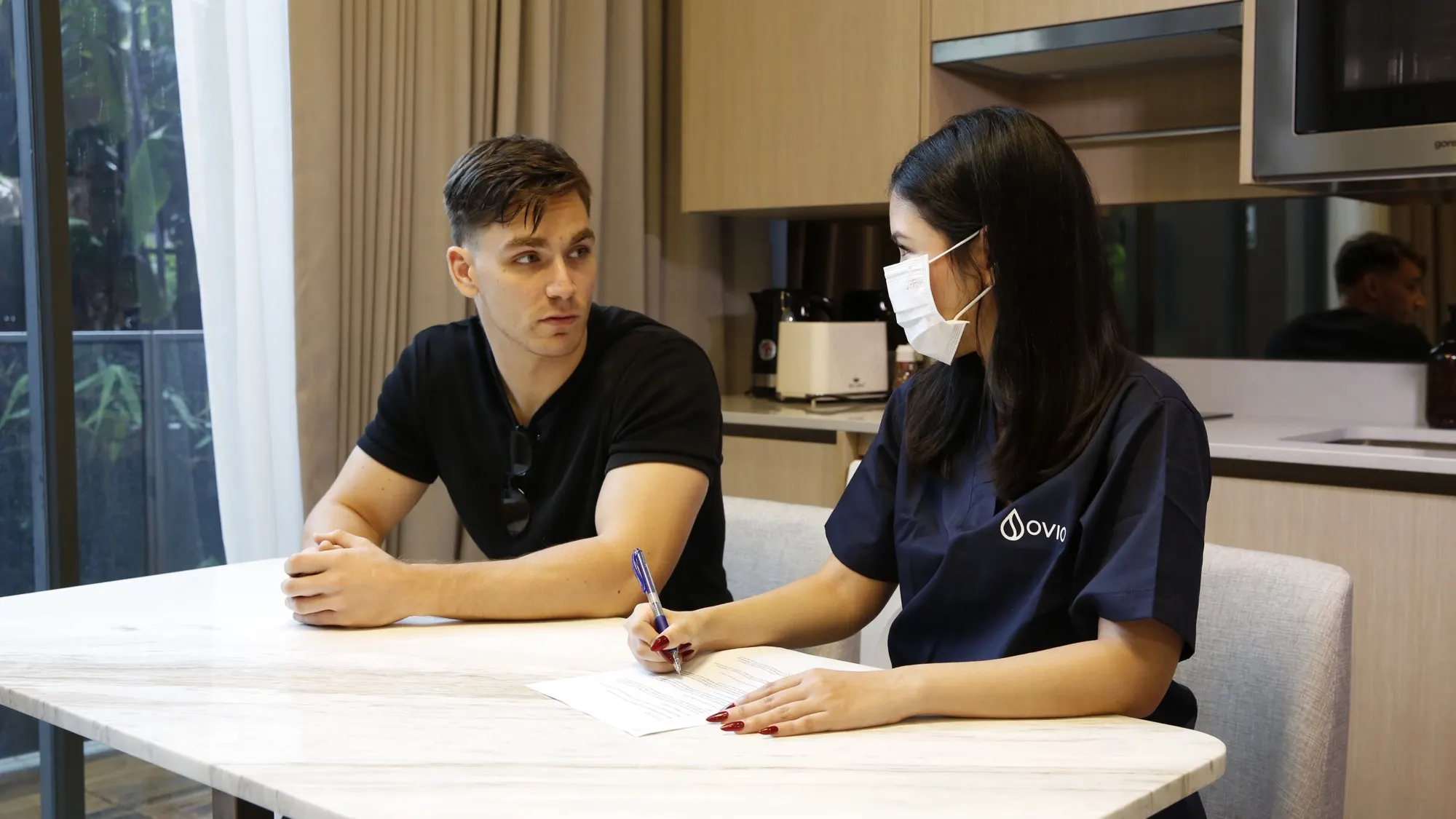
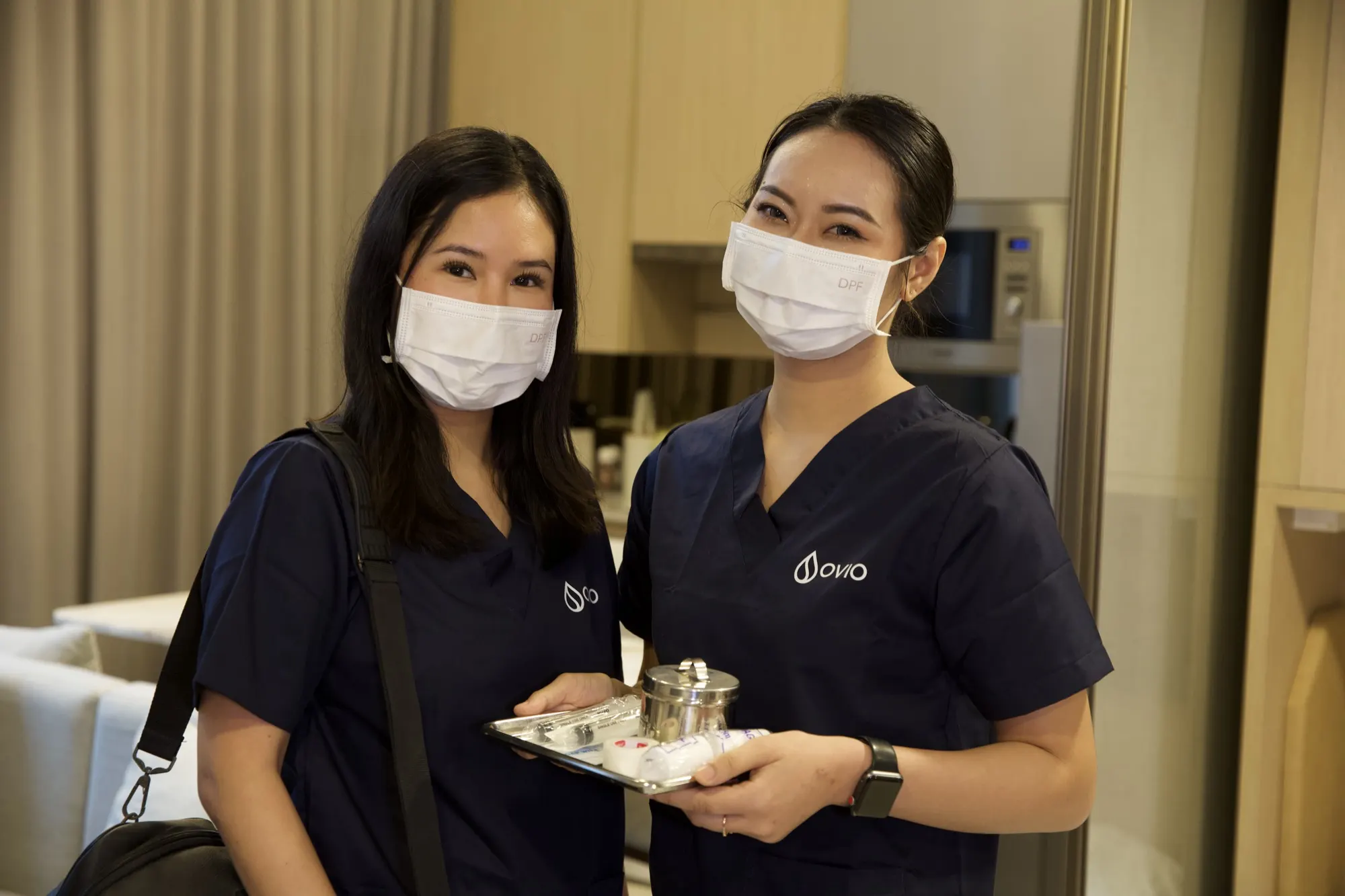
Ovio's at-home STI testing brings a doctor to your home, condo, hotel or office in Bangkok, for the tests that guide treatment: chlamydia and gonorrhoea together (฿3,990), Mycoplasma genitalium (฿3,490) and trichomonas (฿2,490). See the chlamydia test page for how sampling works. If you already have a report that lists UP, a doctor consultation (฿1,500) is a chance to go through it with your symptoms in mind.
Private STI testing in Bangkok
Ovio can arrange private STI testing at a location that works for you.
Frequently Asked Questions
Is Ureaplasma parvum dangerous?
For most people, no. It's a common part of the genital bacteria and usually causes no harm. Guidelines don't recommend testing for it or treating it without symptoms.
My partner and I both tested positive for UP. Did one of us cheat?
A positive result can't show that. UP can be carried for years without symptoms, and it's common in sexually active people, so it gives no information about when or from whom it came.
Should I take antibiotics to get rid of UP?
Not if you feel well. Treatment doesn't improve your health, UP can come back, and unnecessary antibiotics add to resistance and can trigger thrush or BV. If you have symptoms, a doctor should check for other causes first.
What's the difference between Ureaplasma parvum and urealyticum?
They're two species of the same bacterium. UP is more common and isn't thought to cause urethritis. UU may cause urethritis in some men at a high load. Neither needs treatment without symptoms. See our guide to Ureaplasma urealyticum.
Can UP affect my pregnancy or fertility?
Studies have found associations with preterm birth, but they haven't shown that UP causes it, and no link to infertility has been proven. Routine screening and treatment in pregnancy aren't recommended; ask your obstetrician if you're concerned.
Sources
- Should we be testing for urogenital Mycoplasma hominis, Ureaplasma parvum and Ureaplasma urealyticum in men and women? A position statement from the European STI Guidelines Editorial Board (opens in a new tab)
- Urethritis and Cervicitis: STI Treatment Guidelines (opens in a new tab)
- BASHH position statement on the inappropriate use of multiplex testing platforms, and suboptimal antibiotic treatment regimens for bacterial sexually transmitted infections (opens in a new tab)
- Adverse pregnancy and birth outcomes associated with Mycoplasma hominis, Ureaplasma urealyticum and Ureaplasma parvum: a systematic review and meta-analysis (opens in a new tab)
ABOUT THIS GUIDE
This guide gives general information and is not personal medical advice.
- Written by
- Kewalee Rujikajorn
- Published