
ON THIS PAGE
Most people have heard of chlamydia and gonorrhoea. Fewer have heard of Mycoplasma genitalium, often shortened to MG or Mgen, yet it's a recognised STI and a frequent reason for symptoms that won't go away after treatment. This guide explains what MG is, how it spreads, what it can do, and how testing and treatment work. Ovio offers an at-home MG PCR test in Bangkok through its STI testing service.
What Is Mycoplasma Genitalium?
MG is a bacterium, and one of the smallest known. It attaches to the cells lining the urethra, cervix and rectum, and can cause inflammation there. Three things about it explain why it behaves differently from other STIs:
- It has no cell wall. Antibiotics that work by attacking the cell wall, such as penicillin, have no effect on it.
- It grows very slowly. Culturing it in a laboratory takes weeks or months, so routine diagnosis relies on a molecular (PCR) test.
- It readily becomes resistant. Resistance to azithromycin, once the standard treatment, is now common in many countries.
How Is Mycoplasma Genitalium Transmitted?
MG spreads through sexual contact:
- Vaginal sex without a condom.
- Anal sex without a condom.
- Genital-to-genital contact with shared genital fluids.
- Oral sex is a possible but uncertain route; MG is found in the throat much less often.
Many people with MG have no symptoms and can still pass it on. It isn't spread by casual contact: not by hugging, shaking hands, toilet seats, gym equipment, or sharing cups, cutlery or food. Condoms lower the risk.
Mycoplasma Genitalium Symptoms
Men
- Burning or pain when passing urine
- A clear or cloudy discharge from the penis
- Discomfort or irritation inside the urethra
- Urethritis that comes back or doesn't clear after standard STI treatment
MG is a common cause of nongonococcal urethritis (urethritis not caused by gonorrhoea). The US Centers for Disease Control and Prevention (CDC) estimates it's behind about 15% to 20% of cases, and around 40% of urethritis that persists or comes back.
Women
- A change in vaginal discharge
- Pain or burning when passing urine
- Bleeding between periods or after sex
- Pain during sex
- Pain in the lower tummy or pelvis
These symptoms are easily mistaken for a urine infection or another vaginal infection, and many women with MG have none at all. Because symptoms are unreliable either way, only a test can confirm or rule it out.
What Complications Can MG Cause?
In women, MG is linked to cervicitis (inflammation of the cervix) and pelvic inflammatory disease (PID), an infection of the womb and fallopian tubes. PID can cause scarring, which raises the risk of long-term pelvic pain, ectopic pregnancy and infertility. MG has also been associated with preterm birth and pregnancy loss.
How much MG itself contributes to these outcomes is still being studied. Having MG doesn't mean you'll have fertility problems, and most people treated promptly have no lasting effects.
In men, the main problem is persistent or recurrent urethritis. Evidence on long-term effects in men, including fertility, is limited.
How MG Compares With Chlamydia and Gonorrhoea
| Mycoplasma genitalium | Chlamydia and gonorrhoea | |
|---|---|---|
| Symptoms | Often none; urethritis, cervicitis, discharge | Often none; discharge, burning, pelvic pain |
| Routine screening without symptoms | Not recommended | Recommended for many sexually active people |
| Test | PCR (NAAT) on urine or a swab | PCR (NAAT) on urine or swabs, often both in one test |
| Antibiotic resistance | Common to azithromycin; growing to moxifloxacin | Gonorrhoea: growing. Chlamydia: rare |
| Treatment | Usually two courses, chosen by resistance where possible | Usually one course: tablets for chlamydia, an injection for gonorrhoea |
Because the symptoms overlap, you can't tell these infections apart by how you feel. For the two more common ones, see what is chlamydia? and what is gonorrhoea?
Who Should Get Tested for Mycoplasma Genitalium?
Unlike chlamydia, MG isn't part of routine screening for people without symptoms. Major guidelines, including CDC's, advise against it, because treating infections that may clear or cause no harm adds to antibiotic resistance. Testing is recommended for:
- Men with urethritis that persists or comes back (UK guidance tests all men with nongonococcal urethritis)
- Women with cervicitis that persists or comes back
- Women with pelvic inflammatory disease
- Anyone whose symptoms continue after treatment for another STI
- Current sexual partners of someone with MG
How Is Mycoplasma Genitalium Diagnosed?
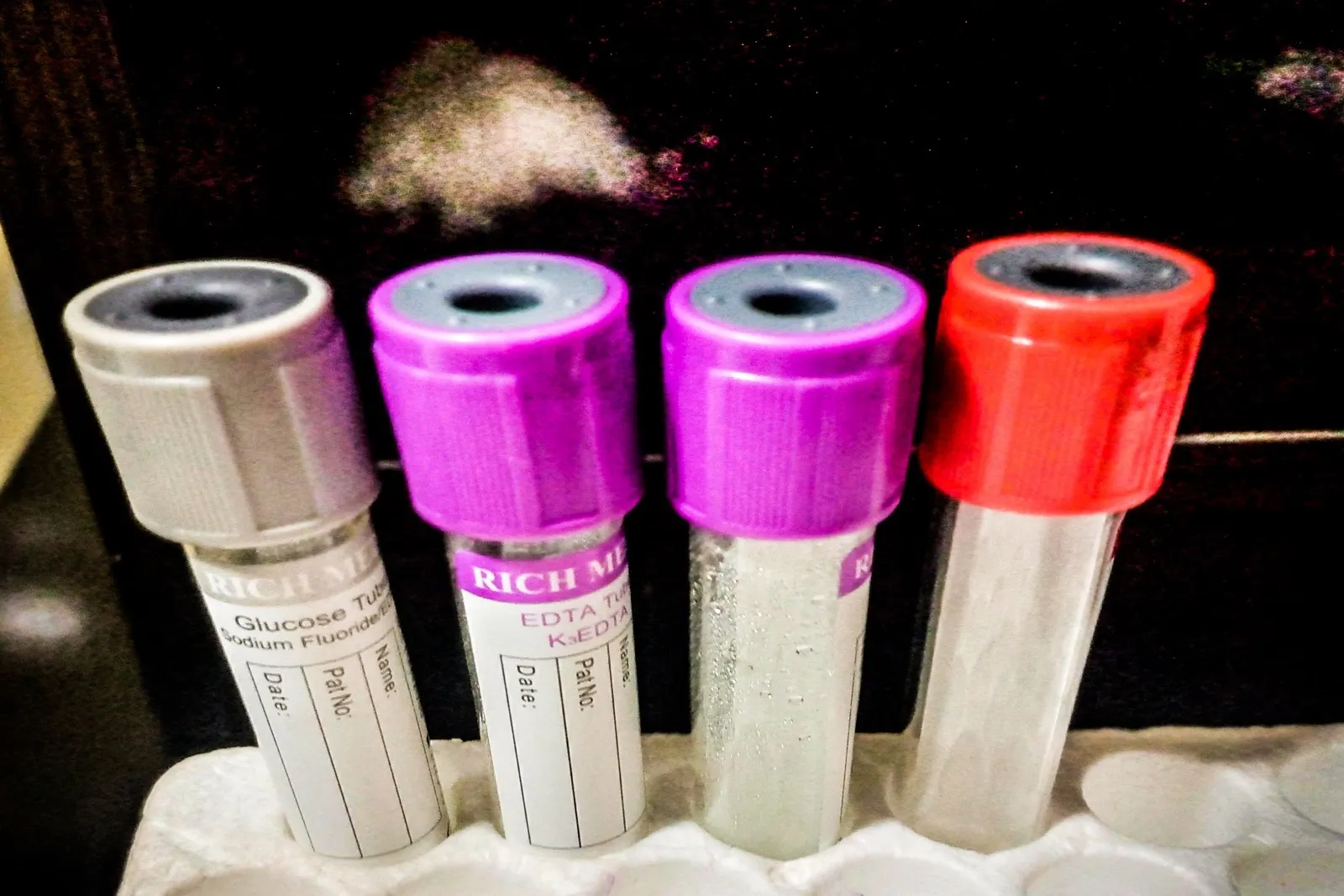
MG is diagnosed with a NAAT (nucleic acid amplification test, often called PCR), which detects the bacterium's genetic material even when only a little is present. Culture is too slow to be useful. The sample depends on your symptoms and the sex you've had:
- First-catch urine, mainly for men: the first part of the stream, ideally at least an hour after you last passed urine.
- Vaginal swab, which can be self-taken, or a cervical swab.
- Urethral or rectal swab, where relevant.
Some laboratories can also test the sample for macrolide resistance, the genetic change that stops azithromycin working. Where that's available, it helps the doctor choose the right second antibiotic.
There's no agreed window-period date for MG, because it's tested when there's a clinical reason rather than as routine screening after an exposure. If you're timing tests for other STIs, use the STI test window calculator.
Mycoplasma Genitalium Treatment
MG is curable, but it usually needs a longer, two-stage course than other bacterial STIs. CDC recommends:
A week of doxycycline tablets first, which lowers the amount of bacteria.
Then a second antibiotic. If the infection is known to be sensitive to macrolides, that's a course of azithromycin. If it's resistant, or resistance testing isn't available, it's a week of moxifloxacin.
Complicated infections such as PID, and infections that don't respond to both of these, need a different plan from a doctor or specialist. A single dose of azithromycin, once a common treatment for urethritis, often fails against MG and encourages resistance, so it's no longer recommended.
Antibiotic resistance
Resistance to azithromycin is common: CDC reports it in roughly half or more of MG infections in many countries. Resistance to moxifloxacin is less common, but higher in the Asia-Pacific region. This is why treatment is guided by resistance testing where possible, and why you should never treat yourself with leftover or over-the-counter antibiotics.
After treatment
- Avoid sex until you and your partner have both finished treatment and your symptoms have gone. Your doctor will tell you how long.
- Test of cure: UK guidance advises a repeat test about 5 weeks after starting treatment. CDC doesn't routinely require one if your symptoms have cleared. Follow your doctor's advice; see STI retesting after treatment.
- If symptoms come back, see a doctor. The cause may be reinfection from an untreated partner, a resistant infection that survived treatment, or a different infection, and each is managed differently.
MG and Your Sexual Partners
Current partners should be tested and, if positive, treated, even if they feel fine, because carrying MG without symptoms is common. If a partner can't be tested, a doctor may treat them with the same regimen. Without this, the infection can pass back and forth. If you've been told a partner has an STI, see what to do if your partner tested positive.
Mycoplasma Genitalium Testing in Bangkok
MG testing is available at some hospitals and sexual health clinics in Bangkok. Not every clinic offers it, so ask for an MG PCR test specifically, and whether resistance testing is included.
If you'd prefer private testing, Ovio's at-home STI testing brings a doctor to your home, condo, hotel or office at a time you choose, for Thai and international clients. The Mycoplasma genitalium PCR test is ฿3,490, from a urine sample or swab. If you have symptoms, the doctor may suggest testing for chlamydia and gonorrhoea (฿3,990 for both on one sample) or trichomonas (฿2,490) at the same time, since they cause similar symptoms. Not sure what you need? See which STI tests should I get?
Private STI testing in Bangkok
Ovio can arrange private STI testing at a location that works for you.
Frequently Asked Questions
Is Mycoplasma genitalium an STI?
Yes. It spreads through vaginal and anal sex, and it's a recognised cause of urethritis in men and cervicitis and pelvic inflammatory disease in women.
Should I get tested for MG if I have no symptoms?
Usually not. Guidelines don't recommend routine MG screening without symptoms. The exception is if a current partner has been diagnosed with MG: then you should be tested.
Can Mycoplasma genitalium be cured?
Yes. Most people are cured with the right two-stage antibiotic course. Because resistance is common, the antibiotics should be chosen by a doctor, ideally based on resistance testing.
Why didn't my STI treatment clear my symptoms?
There are several possible reasons, including reinfection from a partner or an infection the first treatment didn't cover. MG is one of the most common causes of urethritis that persists after treatment, so it's worth asking a doctor to test for it.
Is MG the same as ureaplasma?
No. Both belong to the same family of small bacteria without a cell wall, but they're different organisms. MG is a recognised STI; Ureaplasma is commonly found in people without any symptoms. See Ureaplasma urealyticum.
Sources
ABOUT THIS GUIDE
This guide gives general information and is not personal medical advice.
- Written by
- Kewalee Rujikajorn
- Published